



Wellow Village | Nottinghamshire

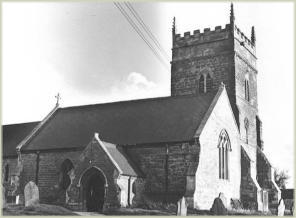
Wellow Parish Church

To find St. Swithins use post code NG22 then scroll down to the
bottom of the list of curches and click on the link to St. Swithun
Brief history of The Parish of Wellow
The
village
was
at
one
time
part
of
the
Rufford
estate
but
in
1974
the
Queen
signed
an
Order
in
Council
making
the
Abbey
and
the
larger
part
of
inhabited
Rufford a part on the ecclesiastical parish of Wellow.
Although
the
present
church
has
been
restored
at
various
times,
it
has
stood
on
this
spot
for
eight
centuries.
The
hopes
and
fears,
the
joys
and
sorrows
of
generations
of
Wellow
folk
have
been
brought
within
these
walls.
The
martyrdom
of
Thomas
A'Becket
was
not
long
past
when
the
original
structure
was
erected,
probably
about
the
time
of
Richard
the
Lion
Heart
who
began
his
reign
in
1189.
There
are
traces
of
Transition
(i.e.
from
the
Norman
to
early
English style of architecture) in the octagonal shafts and arches of the aisles.
The
small
splayed
window
in
the
north
wall,
this
dates
from
the
year
1190.
The
nave
is
fourteenth
century,
the
arcade
is
of
two
semicircular
arches
with
octagonal
pier
and
responds,
all
fourteenth century. The window in the south wall is of still earlier date.
An
interesting
connection
with
Norman
times
is
the
font
bowl
under
the
west
window.
It
is
round
at
the
front
and
square
at
the
back
as
it
was
originally
made
to
stand
against
a
wall.
This
font
is
no
longer
used
as
all
baptisms
take
place
in
the one which was added in later centuries.
The
tower
is
of
three
stages;
the
main
structure
is
the
same
date
as
the
nave
(14th)
the
battlement
and
pinnacles
are
Perpendicular (i.e. the Gothic style of the 14th and 15th centuries) The tower has three bells with following inscriptions:
The
porch,
the
chancel
arch,
the
font
and
the
pulpit
are
all
modern.
The
channcel
screen
was
given
in
1904
by
Mr.
J.
A.
Bell of Wellow House.
In
the
south
aisle
is
a
stained
glass
window
bearing
the
following
inscription:
"To
the
glory
of
God
and
to
the
memory
of
his
beloved
wife
Louisa
Blanche
Foljambe
who
died
October
7th,
1871
aged
29
years;
and
her
son
Frederick
Comton
Savile
Foljambe
who
died
August
21st,
1871."
Mr
Foljambe
later
became
Lord
Hawkesbury
and
later
Earl
of
Liverpool.
A
semi-quatre foil light above the window contains the figure of St. Swithin, the Patron Saint of the Church.
The
east
window
of
the
chancel
is
in
the
memory
of
William
S.
Ward,
surgeon,
who
lived
at
Wellow
Hall.
In
his
day
(last
century)
Wellow
Hall
was
a
hospital
and
dispensary
for
"the
relief
of
the
old
and
poor,
from
whatever
county
recommended".
Before
that
the
Hall
was
the
seat
of
Sir
Francis
Molyneux,
Baronet.
His
body
is
buried
in
the
family
vault
in
Teversall
Church.
The
incumbent
at
the
beginnig
of
the
20th
century,
the
Rev.
W.
Beecher,
lived
there
for
many
years
and
only
moved
out
when
it
was
taken
over
by
Sir
Launcelot
and
Lady
Maud
Rolleston.
He
then
made
his
home
in
the
vicarage which was a converted farm house. This has now been sold and is now in private ownership.
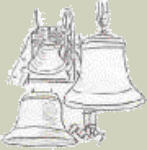
1. Jesus Be our Guide 1660
2. God save the church 1635
3. Gloria in exelsis Deo 1560



The Wellow Village History Website